
What is a 66W certificate? Waiving your cooling-off period in NSW

A 66W certificate cancels your five business day cooling-off period in NSW. What you give up, when it makes sense, and the three things we want done before we sign one.
Why Do You Need A Strata Report?
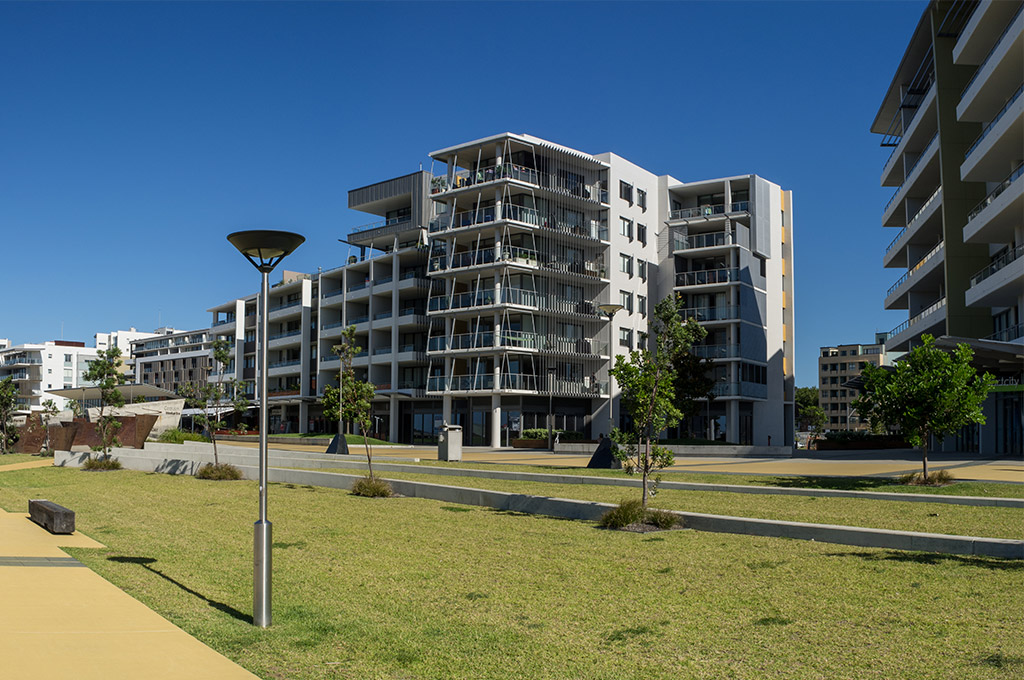
How strata fees work in NSW, what changed in strata law in 2025 and 2026, and what to check in the strata report before you buy.
When Do You Pay Stamp Duty on Property in NSW?

If you’re looking to buy a property in NSW, you’ve probably heard of stamp duty, also known as transfer duty. But what is it, and does it apply to you?
What Is a Cooling-Off Period in NSW, and Is It Negotiable?

The NSW cooling-off period is 5 business days from exchange. What it costs to pull out, when it doesn’t apply, and whether you can negotiate it.
How to Prepare for Settlement in NSW

Settlement day is largely automatic. The work is in the six weeks before it. Here’s the checklist we run through with every NSW buyer, from booking your bank in to the final inspection.
What Is a Deposit Bond and How Does It Work?

Are you thinking of buying a property but may not have the cash required for the deposit? Find out how deposit bonds work and how to get one.
What Should You Check at a House Inspection Before You Sign?

Our room by room house inspection checklist for NSW buyers: what to test at the open home, and how to check the contract’s inclusions before you sign.
What Is Exchange of Contracts in NSW?

The exchange of contracts is a critical step in the process of buying or selling property. Learn more about how they work.
What Is a Purchaser Declaration? The NSW Form Every Buyer Signs

Every purchaser in NSW signs a purchaser declaration. It tells Revenue NSW whether you are a foreign person, and that answer decides whether 9% surcharge purchaser duty applies.
Do You Need a Pest and Building Inspection in NSW?

A pest and building inspection is not compulsory in NSW, but the window to use one is short. What each inspection covers, when to book it, what it costs, and what to do when the report finds something.